Is Krabi Elephant Shelter worth visiting?

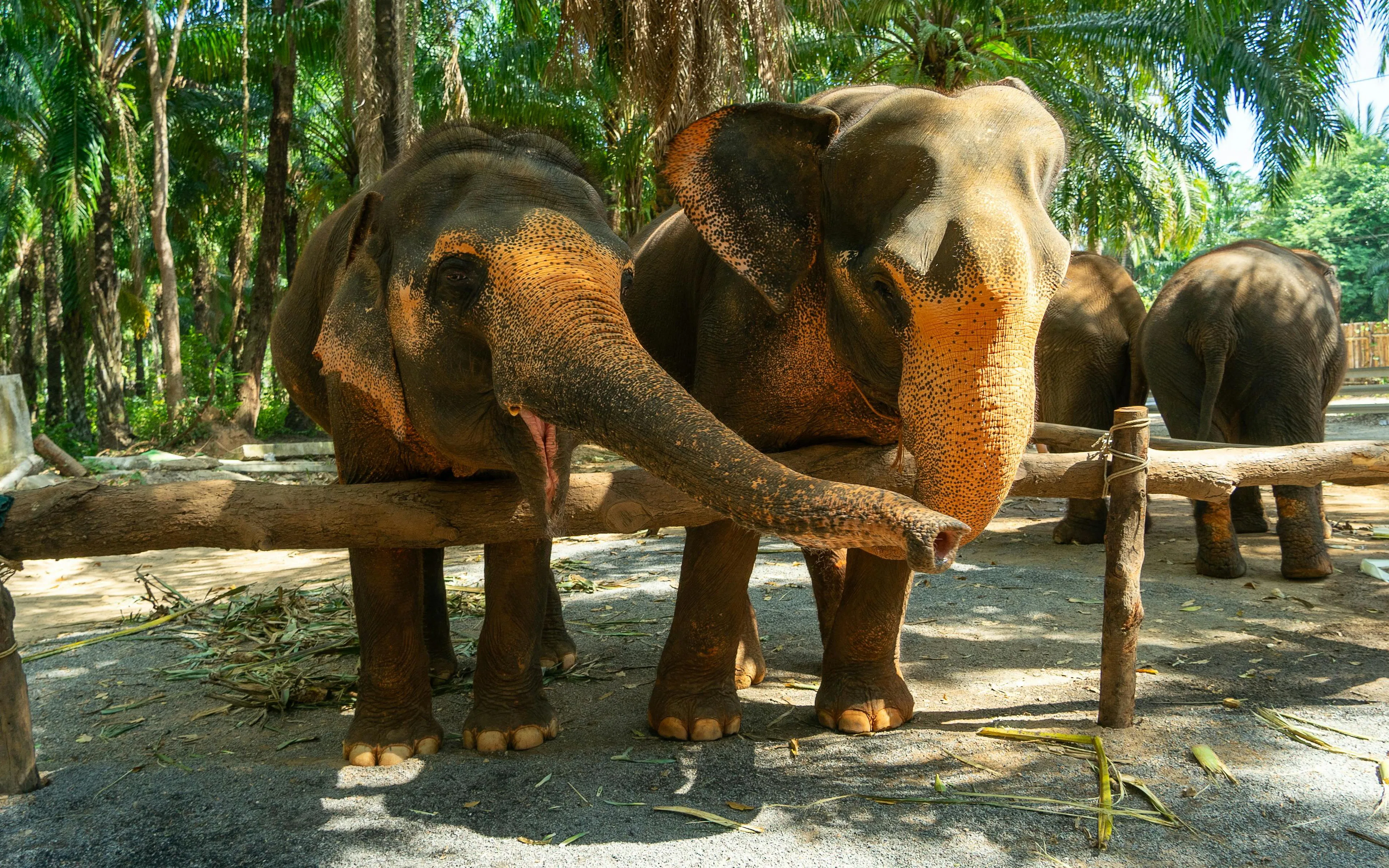
Krabi Elephant Shelter offers a slower, more meaningful way to meet Thailand's national animal. Instead of elephant rides or performances, you'll spend time feeding, walking alongside, and observing rescued elephants as they forage, play in mud, and enjoy river baths in a peaceful natural setting.

Established as a second home for elephants rescued from logging camps and riding tourism, the shelter puts welfare before entertainment. Guided experiences introduce each elephant's story while explaining the challenges of captive elephant welfare and the role responsible tourism can play in supporting conservation. Accredited by ACES and certified by Thailand's Department of Livestock Development, the shelter follows recognised welfare standards while creating educational, small-group experiences.

The biggest takeaway is forming a deeper understanding of elephants through respectful, close-up interactions.

Skip it if you prefer observation-only sanctuaries with no direct interaction between visitors and elephants.

What to see at Krabi Elephant Shelter

Placeholder Image Headout Blimp
1/6

Meet the rescued elephants

The heart of every visit is spending time with elephants rescued from logging and riding camps. Guides introduce each elephant's personality and history, helping visitors understand their journey to the sanctuary.

Feeding experience

Prepare fruit or nutritious treats before hand-feeding the elephants. It's one of the closest interactions you'll have and an opportunity to learn about their diet, behaviour, and daily care.

Walk with the elephants

Join a guided walk as elephants roam, forage, and socialise throughout the shelter. Watching their natural behaviour outside a performance setting is one of the experience's biggest highlights.

Mud spa & river bath

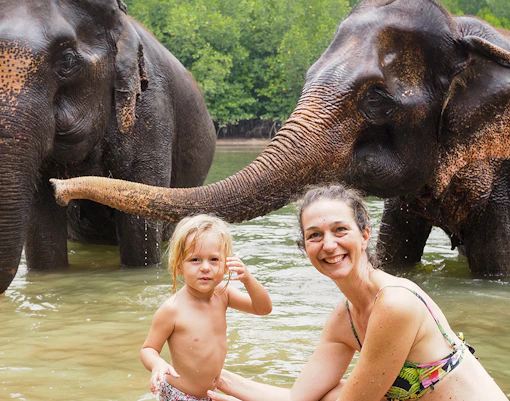
Many programmes include joining the elephants during their favourite activity—rolling in mud before cooling off in the river. These sessions encourage natural behaviour while creating memorable visitor interactions.

Learn about elephant welfare

Educational talks explain the realities of Thailand's elephant tourism industry, conservation challenges, and how ethical sanctuaries differ from traditional riding camps and performances.

Observe natural behaviours

Beyond hands-on activities, take time to watch elephants graze, dust themselves, interact with one another, and simply enjoy a quieter life in a more natural environment.

Experience ethical elephant tourism

Meet rescued elephants through small-group experiences centred on welfare, education, and conservation. Book your visit to enjoy meaningful encounters that put the elephants' wellbeing first.

How to explore Krabi Elephant Shelter

Most visitors spend 2–4 hours at the shelter, depending on the programme they choose. Activities follow a structured schedule designed around the elephants' daily routine rather than a fixed sightseeing route.

Your experience typically begins with an introduction to the shelter's mission and elephant welfare, followed by preparing food and meeting the elephants. Next comes a guided walk through the grounds, giving you the chance to observe natural behaviours before joining activities such as mud bathing or river time. Throughout the visit, guides share each elephant's story while explaining the importance of ethical tourism and conservation.

Must-see: Feeding the elephants and watching them enjoy their mud bath offer the most memorable moments of the visit.

Optional: Spend extra time observing the elephants after the organised activities—some of the most rewarding moments come from simply watching them interact naturally.

Guided vs self-paced: All visits are guided. Small group sizes allow for meaningful interactions while ensuring activities remain safe and centred on the elephants' welfare.
Brief history of Krabi Elephant Shelter

Krabi Elephant Shelter was established to provide a second home for elephants retired from logging operations and riding camps, offering them a life free from performances and heavy labour. Instead of traditional elephant tourism, the sanctuary was created around the principles of welfare, rehabilitation, and responsible visitor education.

As awareness of ethical wildlife tourism has grown, the shelter has focused on creating experiences that prioritise the elephants' wellbeing while helping visitors better understand their history and care. Today, the sanctuary is accredited by Asian Captive Elephant Standards (ACES) and certified by Thailand's Department of Livestock Development, reinforcing its commitment to recognised welfare practices and long-term elephant conservation.

Architecture of Krabi Elephant Shelter

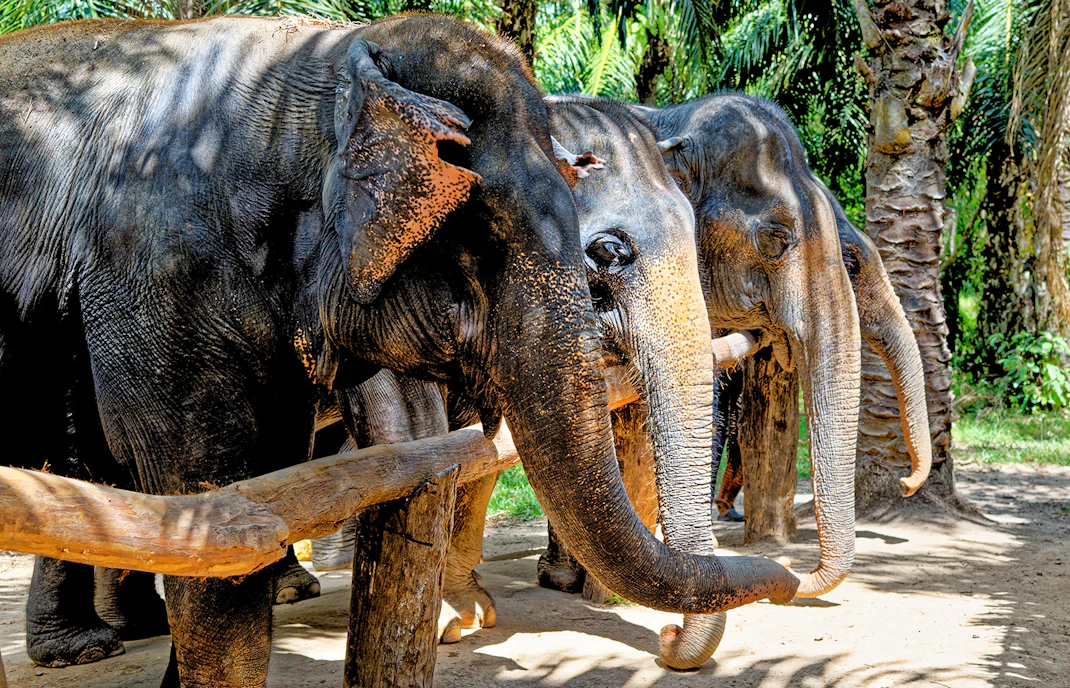
Rather than purpose-built enclosures or performance arenas, Krabi Elephant Shelter is designed to give rescued elephants space to express natural behaviours. Forested walking areas, open paddocks, mud pools, and river access encourage foraging, social interaction, and bathing throughout the day.

Visitor facilities remain intentionally simple, allowing the focus to stay on the elephants and their environment. Walking paths and activity areas are integrated into the landscape so guests can accompany the elephants without disrupting their routine. The result is a sanctuary that feels more like a natural refuge than a conventional tourist attraction, supporting both meaningful visitor experiences and the animals' daily welfare.

More than an elephant encounter

Every visit supports a broader mission of elephant welfare and conservation. Beyond caring for rescued elephants, the shelter works to educate visitors about ethical wildlife tourism and promotes responsible travel choices that prioritise animal wellbeing. Its recognised welfare accreditations and partnerships reflect a long-term commitment to improving standards for captive elephants in Thailand.

Frequently asked questions about Krabi Elephant Shelter

Krabi Elephant Shelter follows a welfare-focused approach that does not allow elephant riding or performances. It is accredited by Asian Captive Elephant Standards (ACES) and certified by Thailand's Department of Livestock Development.

More reads